
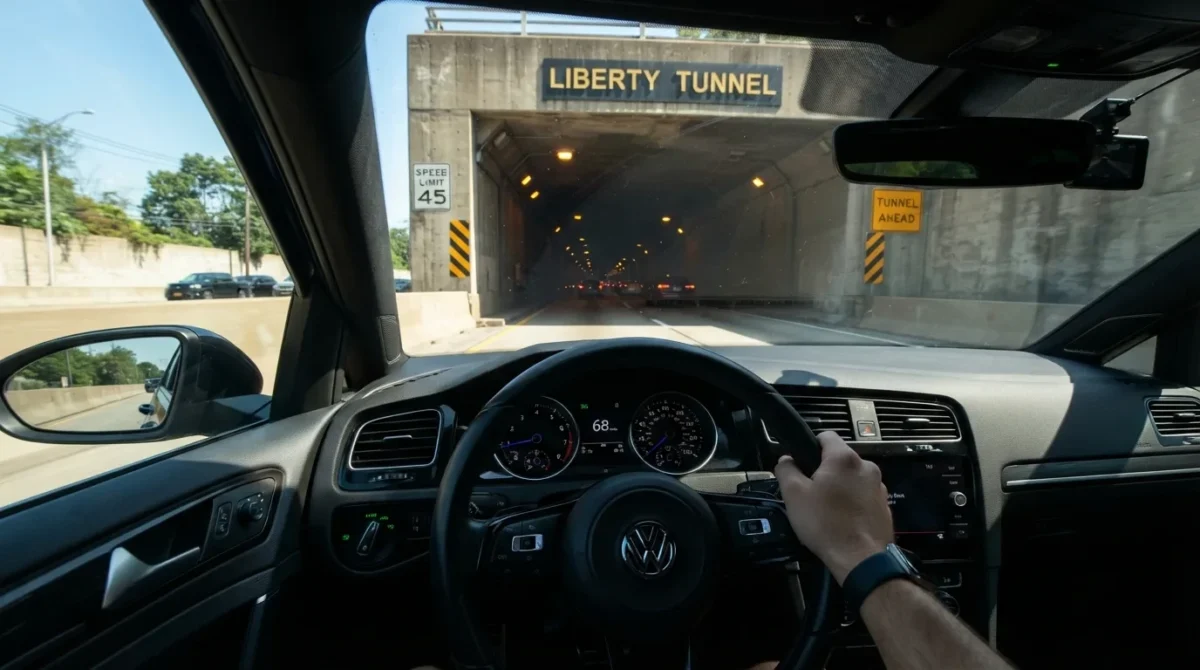

You drive into a parking garage and your headlights turn on by themselves. You come back out into daylight and a few seconds later they switch off. It feels a little like magic, but the system behind it is simple. So how do automatic headlights work, and can you trust them all the time?
Let’s look at the parts involved, what the car is actually measuring, and the situations where you should still take control.
The Key Part: A Light Sensor
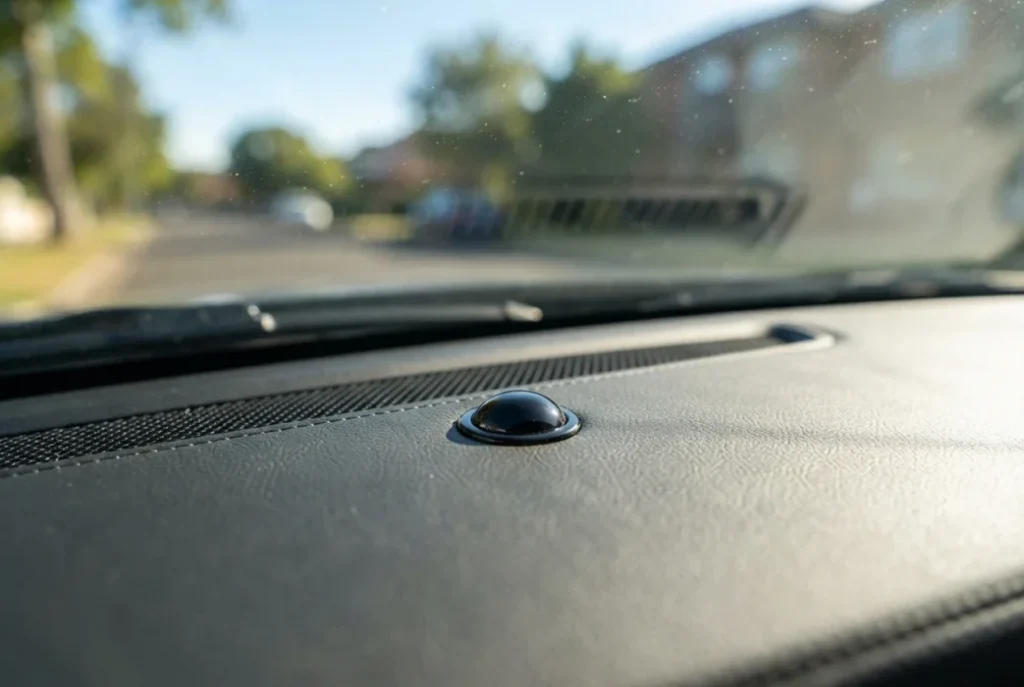
Every automatic headlight system starts with a light sensor. On most cars it is a small dome or flat window on top of the dashboard, right at the base of the windshield. On many newer cars it is built into a combined rain and light sensor behind the rearview mirror.
Inside is a photodiode or photocell. It turns the amount of light hitting it into a small electrical signal. More light gives one reading, less light gives another.
How the Car Decides When to Turn the Lights On
The sensor sends its reading to a control module, usually the body control module. That computer compares the light level against a set threshold.
- Light drops below the threshold. The module waits a moment to make sure it is not just a shadow.
- It stays dark. The module switches on the low beams, tail lights and dashboard lighting.
- Light rises above a higher threshold. The module waits again, then turns the headlights off.
That waiting period is deliberate. Without it, your lights would flash on and off every time you passed under a bridge or a row of trees. Using two different thresholds for on and off also stops the lights from flickering at dusk when the light level hovers in between.
The Settings You Can Usually Change
Many cars let you adjust how the system behaves through the dashboard menu or the switch itself:
- Sensitivity: choose whether the lights come on earlier or later as it gets dark.
- Delay off: keep the headlights on for 30 to 90 seconds after you lock the car, so you can see your way to the door.
- Wiper link: turn the headlights on automatically when the wipers run continuously.
That wiper link is useful. Many US states require headlights whenever your wipers are on, and the automatic system takes care of it for you.
When Automatic Headlights Get It Wrong
The sensor only measures brightness. It does not know about weather. That leads to a few common gaps:
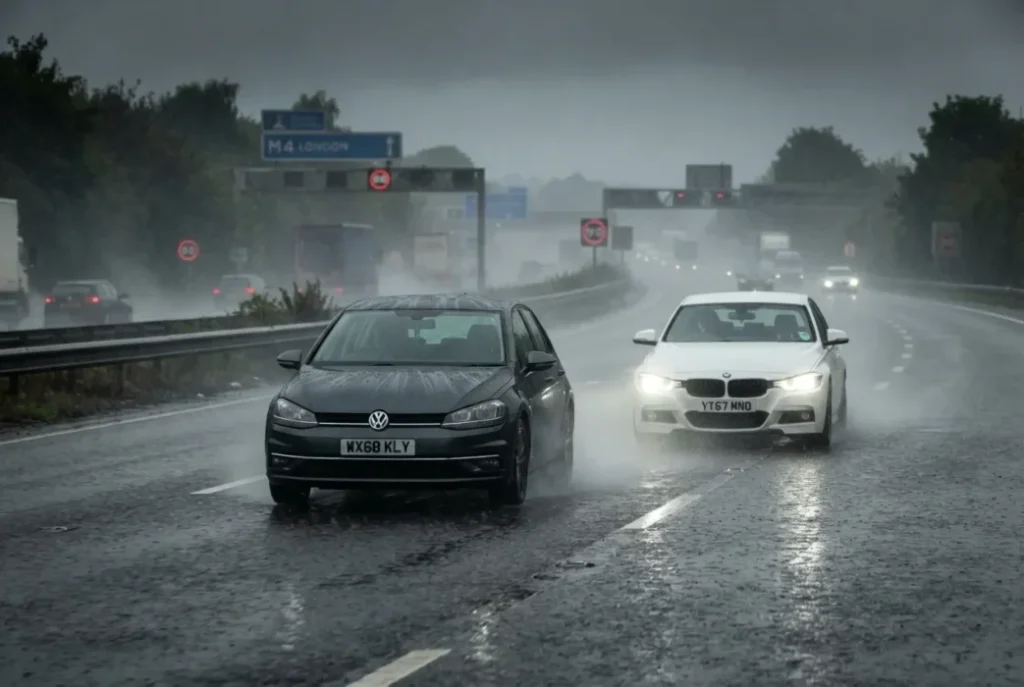
- Daytime fog or heavy rain: it can be bright enough outside that the sensor keeps the lights off, even though other drivers need to see you.
- Dusk on a bright sky: your lights may stay off a little longer than they should.
- Covered sensor: a parking pass, phone mount or papers on the dashboard can block the sensor and trick the system into thinking it is dark.
In any of these cases, just switch to manual low beams. Your car will not mind.
Automatic Headlights vs Other Smart Lighting
Automatic headlights only decide whether your lights are on or off. Other systems take it further:
- Automatic high beams use a camera to switch between high and low beams based on traffic ahead.
- Adaptive headlights turn the beam into curves as you steer. Our guide to adaptive headlights explains how they work.
- Matrix headlights switch off individual LED segments to avoid blinding other drivers while keeping high beams on. Learn more in our article on matrix headlights.
Most new cars combine two or more of these systems, all working from the same idea of sensing the road and reacting faster than you could by hand.
What to Check If Your Automatic Headlights Stop Working
- Make sure the switch is actually set to AUTO.
- Clear anything sitting on or near the dashboard sensor.
- Clean the inside of the windshield in front of the sensor.
- Check the headlight fuse and the bulbs themselves.
If the lights still behave strangely, the sensor or the control module may need a scan with a diagnostic tool at a shop. You can also check for open recalls on your vehicle with the NHTSA recall lookup.
FAQ
Where is the automatic headlight sensor located?
Usually on top of the dashboard near the windshield, or behind the rearview mirror as part of a rain and light sensor.
Do automatic headlights turn on the tail lights?
Yes. When the system switches on your headlights, it also turns on the tail lights and dashboard lighting, just like the manual switch does.
Can I leave my headlights on AUTO all the time?
Yes, and it is a good habit. Just switch to manual low beams in daytime fog, heavy rain or snow.
Do automatic headlights drain the battery?
No. They turn off by themselves after you shut the car off, usually after a short delay.
Final Thoughts
So how do automatic headlights work? They use a simple light sensor and a bit of smart timing to take one chore off your plate. They are reliable for everyday day and night driving. Just remember they measure light, not weather, so step in yourself when rain, fog or snow makes it harder for others to see you.
Leave a Reply