
You start your car on a bright afternoon and notice a glow at the front, even though you never touched the headlight switch. Those are your daytime running lights, usually called DRLs. So what are daytime running lights on a car, exactly, and why do so many vehicles have them now?
In short, DRLs are there so other people can see you. They are not there to help you see the road. That difference matters more than most drivers realize, and we will get to why below.
What Daytime Running Lights Are
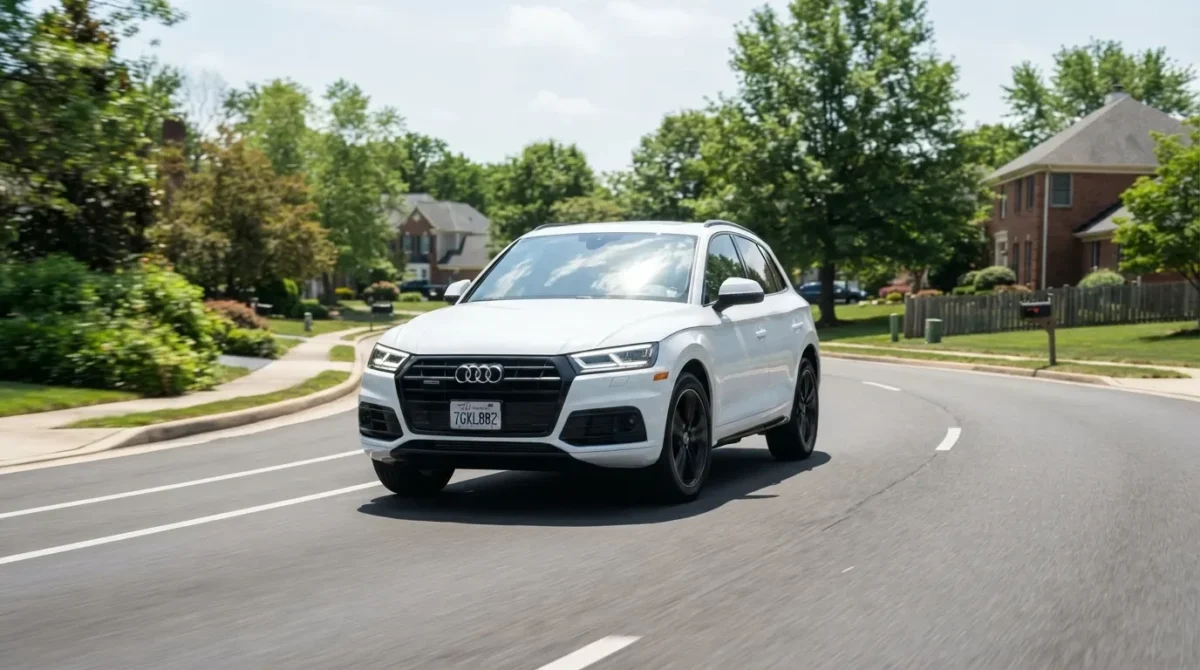
Daytime running lights are lower-intensity lights on the front of a vehicle that switch on automatically when the car is running. Their only job is to make your car stand out in daylight, especially against busy backgrounds, shade, rain or low winter sun.
You will usually spot them as:
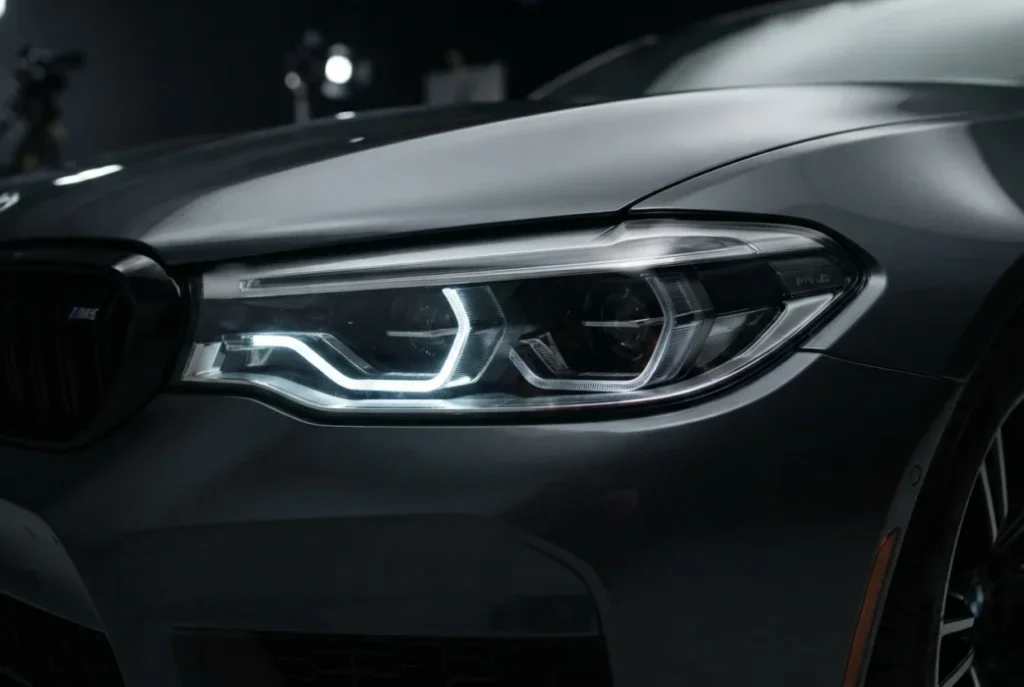
- Thin LED strips or “signature” shapes around the headlights
- Small round lamps in the lower bumper
- The regular low beams or high beams running at reduced power
- The front turn signal bulbs glowing steadily
How DRLs Work
Most DRL systems are controlled by a small module or by the car’s body computer. They typically turn on when the engine is running and the car is in gear, or once the parking brake is released. On some vehicles they come on as soon as the ignition is on.
When you turn on your headlights, the DRLs either switch off or dim down to act as parking lights. Many cars also dim the DRL on one side while that turn signal is flashing. That keeps the amber signal easy to see next to a bright white light.
Why Cars Have Daytime Running Lights
A car with its lights on is simply easier to notice, even at noon. That helps oncoming drivers judge your distance, and it helps pedestrians and cyclists spot you sooner.
Research on the safety benefit has mixed results, but most studies point to a modest drop in daytime crashes between two vehicles. The benefit is strongest in northern countries with long stretches of dim daylight. That is one reason Scandinavian countries were the first to require them.
Whether they are required depends on where you live. Canada has required DRLs on new vehicles since 1990, and the European Union has required them on new cars since 2011. In the United States they are allowed but not required, though most new cars include them anyway. For a deeper look at how these rules developed, see this overview of daytime running lamp regulations.
The Big Mistake: DRLs Are Not Headlights
This is the most important part of this article. On many cars, especially older ones, the DRLs light up only the front of the car. Your tail lights stay off.
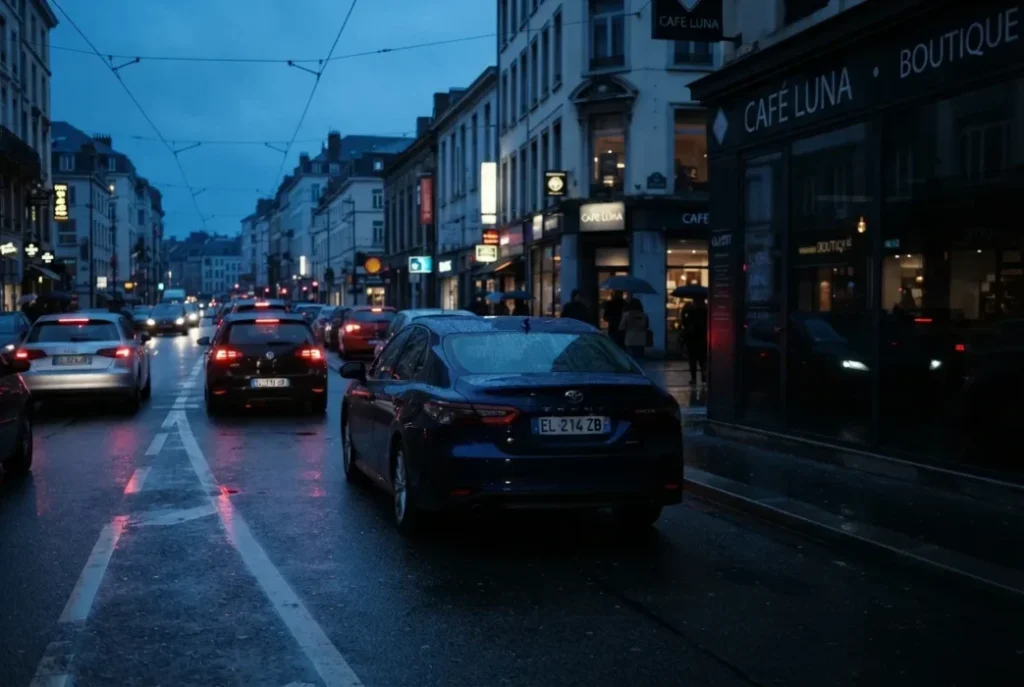
At dusk or in rain, that is a real problem. Modern dashboards are lit up all the time, and the DRLs throw some light ahead, so it feels like your headlights are on. Meanwhile drivers behind you see a dark car.
If you are not sure, do a quick check. Park facing a wall or a shop window at night and look at the back of the car, or ask someone to look for you. If the tail lights are off, you need to switch on your real headlights. Our guide on what headlights to use at night explains which setting fits each situation.
The easiest habit is to leave your headlight switch on AUTO if your car has it. That way the system turns on full headlights and tail lights when it gets dark.
Can You Turn Daytime Running Lights Off?
It depends on the car and the country. Some vehicles let you disable DRLs in the settings menu or through a dealer. Others have no switch at all. In countries where DRLs are mandatory, disabling them may make the vehicle non-compliant.
In most cases there is no good reason to turn them off. Modern LED DRLs use very little power and do not wear out quickly.
Common DRL Problems and What They Mean
- One DRL is out: usually a dead bulb or a failed LED module on that side.
- Both DRLs are out: check the DRL fuse and relay first, then the control module.
- DRLs flicker: often a loose connector or, on LED units, a failing driver.
- DRLs stay on with the engine off: can point to a stuck relay or a module fault, and it can drain your battery.
On many cars with LED DRLs, the light is built into the headlight assembly. A failed LED strip can mean replacing the whole assembly, so it is worth getting a quote before you assume it is a cheap fix.
How DRLs Fit Into Modern Lighting
DRLs are one piece of a bigger trend toward smarter lighting. Many new vehicles now pair them with automatic headlights and even adaptive headlights that swivel or reshape the beam as you drive. Together, these systems take a lot of guesswork out of using your lights correctly.
FAQ
Do daytime running lights drain the battery?
No. They only run while the engine is on, so the alternator powers them. If they stay on after you shut the car off, that is a fault worth checking.
Are daytime running lights the same as parking lights?
No. Parking lights are dim lamps you switch on manually. DRLs turn on by themselves and are brighter, though on some cars the same lamp does both jobs.
Can I add daytime running lights to an older car?
Yes. Aftermarket DRL kits are available. Choose one designed to meet road lighting rules where you live, and have it wired so it turns off or dims with your headlights.
Are DRLs bright enough to drive with at night?
No. They are not aimed to light the road and usually leave your tail lights off. Always use your headlights after dark.
Final Thoughts
So what are daytime running lights on a car? They are a simple, low-cost safety feature that makes your car easier to see. Just remember what they are not: they are not headlights. Use them for daytime visibility, and switch to your full headlights, or AUTO mode, whenever light starts to fade.
Leave a Reply